The Art of Aromatherapy: How Scented Candles Transform Spaces and Souls
Scented candles have evolved far beyond simple decor items—they now serve as powerful tools for relaxation, ambiance creation, and even emotional well-being. From cozy living rooms to serene bedrooms, these fragrant creations offer a multisensory experience that engages both sight and smell.
As interest in holistic wellness grows, so does the demand for high-quality, thoughtfully crafted scented candles. Whether you’re seeking tranquility after a long day or looking to elevate your home’s atmosphere, understanding the nuances behind these products can enhance your enjoyment immensely.
A Fragrant Legacy: The Historical Roots of Scented Candles
The art of scenting candles dates back thousands of years, rooted in ancient traditions across various cultures. Early civilizations used beeswax and animal fats infused with herbs and resins to create aromatic flames that served practical and spiritual purposes alike.
In Egypt, priests burned incense-infused candles during rituals to honor gods, while Roman bathhouses utilized fragranced tallow candles to mask unpleasant odors. These early forms of scented candles laid the foundation for modern aromatherapy techniques still practiced today.
- Beeswax candles: Known for their clean-burning properties and subtle honey-like aroma, these were favored in religious ceremonies due to their purity.
- Tallow candles: Made from rendered animal fat, they often carried strong odors that required additional perfuming agents to neutralize.
The Science Behind Scents: How Aromas Influence Emotions
Modern science confirms what many have intuitively known for centuries—the power of scent significantly impacts our emotions and cognitive functions. Research shows that certain aromas trigger memories, alter moods, and even influence physical health outcomes.
Studies conducted at institutions like the University of California demonstrate that inhaling lavender essential oil before bedtime improves sleep quality. Similarly, citrus scents increase alertness and concentration levels among office workers.
Neurological Effects of Common Candle Scents
A 2018 study published in the Journal of Environmental Psychology found that participants exposed to vanilla-scented environments reported feeling more relaxed than those in unscented spaces. This effect was particularly pronounced in individuals experiencing mild anxiety symptoms.
Further analysis revealed that sandalwood and jasmine scents stimulated brain regions associated with memory recall, suggesting potential therapeutic applications for conditions like Alzheimer’s disease.
Selecting Your Perfect Candle: Factors to Consider
With countless options available, choosing the ideal scented candle requires consideration of several factors including fragrance type, burn duration, and ingredient quality. Understanding these elements ensures optimal performance and safety.
Burn time varies dramatically depending on the candle size and material composition. Soy candles typically last longer than paraffin counterparts due to their slower melting rate, though both types have distinct advantages.
- Natural vs. Synthetic Fragrances: While synthetic compounds provide consistent results, natural essential oils offer complex olfactory profiles and may contain therapeutic benefits.
- Clean-Burning Materials: Look for candles made with cotton wicks and vegetable-based waxes to minimize harmful emissions during combustion.
Safe Burning Practices: Ensuring Enjoyment Without Risk
Proper handling of scented candles prevents accidents and maximizes their lifespan. Always place candles away from flammable objects and never leave them unattended while lit. Following basic safety precautions enhances both enjoyment and longevity.
To maintain even burning, trim wicks to approximately ¼ inch before lighting. This practice not only prevents excessive smoke production but also helps achieve better fragrance diffusion throughout the room.
- Ventilation: Burn candles in well-ventilated areas to prevent over-concentration of volatile organic compounds (VOCs) indoors.
- Burn Time Limits: Never allow any candle to burn for more than four hours at a time to avoid tunneling issues and uneven fragrance distribution.
Crafting Your Own Scents: The Joy of Making Custom Candles
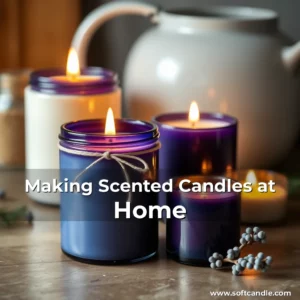
Diy candle-making offers creative freedom and allows for personalized experiences tailored to individual preferences. With minimal equipment and accessible ingredients, anyone can craft custom scented candles suitable for gifts or personal use.
The process involves selecting base materials like soy wax flakes or coconut blends, adding colorants, then infusing preferred essential oils. Molds come in endless shapes and sizes, enabling artistic expression through design.
- Essential Oil Blending: Experiment with combinations such as eucalyptus + peppermint for invigorating effects or chamomile + lavender for calming influences.
- Container Selection: Choose heat-resistant vessels ranging from traditional glass jars to decorative wooden boxes depending on desired aesthetic appeal.
Building Connections Through Shared Scents: Community Events Around Candles
The rise of online communities dedicated to scented candles fosters connection among enthusiasts who share recommendations, reviews, and crafting tips. Virtual groups and local events celebrate the sensory pleasures of candle appreciation in innovative ways.
Many cities host seasonal markets featuring independent artisans showcasing handmade candles alongside complementary goods like diffusers and reed sticks. These gatherings promote awareness about sustainable sourcing practices within the industry.
- Candle Workshops: Participate in hands-on sessions learning advanced techniques for creating layered fragrances and intricate designs.
- Theme Nights: Join themed candlelit dinners where attendees bring their favorite scented candles to match dinner themes like spa nights or holiday celebrations.
Eco-Conscious Choices: Sustainable Scented Candles for a Greener Future
Environmental consciousness plays an increasingly vital role in consumer decisions regarding scented candles. Choosing products aligned with green values supports responsible manufacturing processes that reduce ecological footprints.
Look for certifications indicating carbon-neutral production methods or companies utilizing post-consumer recycled materials in packaging. Supporting brands committed to ethical labor practices further contributes positively towards global sustainability goals.
- Biodegradable Components: Opt for candles containing naturally occurring substances that decompose safely rather than synthetic additives that persist in landfills.
- Refill Programs: Some manufacturers offer refill stations allowing customers to reuse existing containers instead of purchasing new ones repeatedly.
The Psychological Impact of Lighting Rituals
Lighting a scented candle often becomes more than just a functional act—it transforms into a ritualistic gesture imbued with intentionality. Many find comfort in establishing routines around candle lighting, whether as part of meditation practices or pre-bedtime wind-down sequences.
This deliberate approach leverages psychological conditioning principles where repeated actions linked to positive associations reinforce feelings of calmness and security. Over time, these rituals become deeply embedded behavioral patterns influencing daily life rhythms.
- Mindfulness Techniques: Pair candle lighting with deep breathing exercises to heighten present-moment awareness and decrease mental clutter.
- Ritual Creation: Design unique routines incorporating specific scents tied to particular activities such as reading, yoga, or journaling sessions.
Exploring Global Candle Traditions and Regional Preferences
Cultural differences shape regional preferences for scented candles, reflecting diverse histories and lifestyles worldwide. In Japan, matcha-flavored candles evoke tea ceremony aesthetics whereas Scandinavian countries favor woodsy pine and fir scents reminiscent of their forests.
Indian markets showcase vibrant spice-infused candles combining cardamom, saffron, and turmeric for exotic fragrance profiles unlike anything found elsewhere globally. These variations highlight how geography profoundly influences sensory experiences related to scented products.
- Regional Ingredients: Local availability dictates which botanicals get incorporated into candle formulations, resulting in distinct flavor signatures unique to each area.
- Holiday Specialties: During festive seasons, many regions produce limited edition candles capturing celebratory moods through appropriate thematic selections.
Future Innovations in Scent Technology and Candle Development
Ongoing technological advancements promise exciting developments in scented candle technology. Researchers are experimenting with nanoencapsulation techniques that prolong fragrance release times while minimizing overpowering intensity.
New bioengineered wicks designed specifically for slow-burning properties extend product lifespans considerably compared to conventional alternatives currently dominating retail shelves. These innovations aim to redefine expectations surrounding traditional candle usage.
- Smart Candles: Emerging IoT-enabled models feature automated timers and ambient light controls enhancing convenience without compromising core functionalities.
- Customization Platforms: Online services now allow consumers to mix-and-match fragrance components digitally prior to ordering physically produced samples.
Conclusion
The journey through the world of scented candles reveals much more than just pleasant smells—it encompasses rich cultural heritage, scientific discovery, artisan craftsmanship, and future innovation possibilities.
Whether you’re drawn to candles for their soothing qualities, nostalgic connections, or simply aesthetic value, embracing this multifaceted hobby opens doors to deeper exploration of personal wellness journeys shaped by sensory experiences.