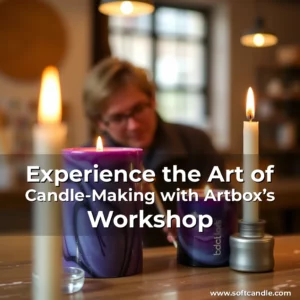
The Artful Alchemy of Candle Making: Crafting Light from Wax and Passion
Candle making is an ancient art that has evolved through centuries, transforming from simple fire sources into a sophisticated craft cherished by artisans and hobbyists alike. This practice blends creativity with chemistry, offering individuals a unique way to express themselves while creating functional decor pieces.
SoftCandle enthusiasts find particular joy in crafting candles that emit gentle illumination, often infused with natural scents and soothing colors. These handmade creations are more than mere light sources; they become personal expressions of style and mindfulness in everyday life.
The Historical Roots of Candle Craftsmanship
Dating back thousands of years, early civilizations used animal fats and plant resins as primitive waxes for their first candles. The Egyptians, Greeks, and Romans developed rudimentary techniques using beeswax and tallow, laying foundational methods still practiced today.
In medieval Europe, candle makers formed guilds to regulate quality standards and preserve traditional techniques. These craftsmen played vital roles in communities, providing essential light before electricity became widespread.
- Papyrus records: Ancient Egyptian scrolls reveal early wax formulations made from hardened honeycomb resin
- Middle Ages advancements: Tallow processing techniques improved significantly during the 12th century with better rendering methods
Modern Materials Revolutionizing Candle Creation
Contemporary candle makers have access to an array of materials that enhance both functionality and aesthetics. Soy wax, beeswax, paraffin, and gel-based alternatives each offer distinct properties suitable for different creative purposes.
Soy wax has gained popularity due to its eco-friendly nature and clean-burning characteristics. It’s derived from soybeans and provides excellent scent throw capabilities when properly formulated.
Eco-Conscious Choices in Modern Candle Production
A recent survey showed over 68% of millennials prefer candles made from sustainable materials. This shift reflects growing environmental awareness among younger generations seeking conscious consumerism options.
Beeswax candles naturally produce negative ions which can help purify air, making them ideal choices for health-conscious households looking for natural aromatherapy solutions.
Fundamental Techniques Every Beginner Should Know
Newcomers to candle making must understand basic principles like melting temperatures, fragrance oil ratios, and cooling processes. Mastering these fundamentals ensures successful results every time you create new candle designs.
The double boiler method remains popular for safely heating wax without direct flame exposure. Always use heat-resistant containers specifically designed for melt-and-pour projects.
- Temperature control: Maintain between 185°F-195°F (85°C-90°C) for optimal fragrance absorption
- Wick placement: Centered wicks ensure even burning patterns once candles are fully cured
Creative Possibilities in Candle Design
Candle making allows limitless artistic expression through color combinations, texture variations, and shape innovations. Experimenting with layering techniques opens up endless design possibilities.
To achieve marbled effects, swirl melted dyes together before pouring into molds. This technique creates mesmerizing visual patterns reminiscent of ocean waves or abstract paintings.
Customization Options for Personalized Creations
Many modern candle kits include customizable elements like embedded dried flowers, pressed leaves, or small trinkets inside the wax. These additions make each piece truly unique and meaningful.
Using food-safe silicone molds enables creators to produce intricate shapes such as hearts, stars, or even miniature sculptures within the candle medium itself.
Advanced Methods for Professional Quality Results
Experienced artists employ advanced techniques like embedding objects, creating layered effects, and experimenting with unconventional materials. These approaches elevate standard candle-making practices into true artisan crafts.
Tart-style candles utilize poured wax layers rather than pre-made molds, allowing for complex geometric patterns and multi-colored gradients in single pieces.
- Vessel selection: Choose glass jars with wide mouths for easier filling and decoration application
- Layering process: Allow each colored layer to cool slightly before adding subsequent hues for defined separation
Preserving Your Handcrafted Masterpieces
Proper storage extends the lifespan of your candles and maintains their aesthetic appeal. Store finished products away from direct sunlight and extreme temperature fluctuations.
Keeping candles upright prevents warping issues caused by uneven pressure distribution across surfaces. Ideal conditions involve stable environments below 80°F (27°C) humidity levels.
Tips for Long-Term Candle Maintenance
Trimming wicks regularly helps prevent excessive smoke production and promotes cleaner burns. Aim for a length of approximately ¼ inch (6mm) before lighting any candle.
If candles develop tunneling issues after initial use, gently rewarm the surface with a hair dryer then press down lightly until smooth again. Avoid applying too much force during this process.
The Therapeutic Benefits of Candle Crafting
Beyond being a decorative pursuit, candle making offers numerous mental health benefits. Engaging in this meditative activity reduces stress levels while promoting creative flow states similar to those experienced during yoga or meditation sessions.
Studies show that hands-on activities like candle making increase dopamine production, enhancing mood regulation abilities and overall emotional well-being through tactile engagement.
Joining the SoftCandle Community
Participating in local workshops or online forums connects aspiring candle makers with fellow enthusiasts who share knowledge and resources. These networks provide invaluable support systems for both beginners and seasoned practitioners.
The SoftCandle platform hosts monthly challenges encouraging members to experiment with new themes and techniques each month. Participation rewards include featured showcases and exclusive recipe downloads.
Engaging actively within these communities fosters continuous learning opportunities while building relationships centered around shared interests in craftsmanship and self-expression through candle creation.
Conclusion
Candle making combines technical skill with artistic flair to transform simple ingredients into beautiful works of functional art. Whether you’re drawn to its historical significance or modern sustainability aspects, there’s something universally appealing about this timeless tradition.
As you explore various techniques and materials available today, remember that each candle tells a story – yours included. Embrace the journey of discovery through experimentation and let your creativity illuminate spaces both literally and figuratively.