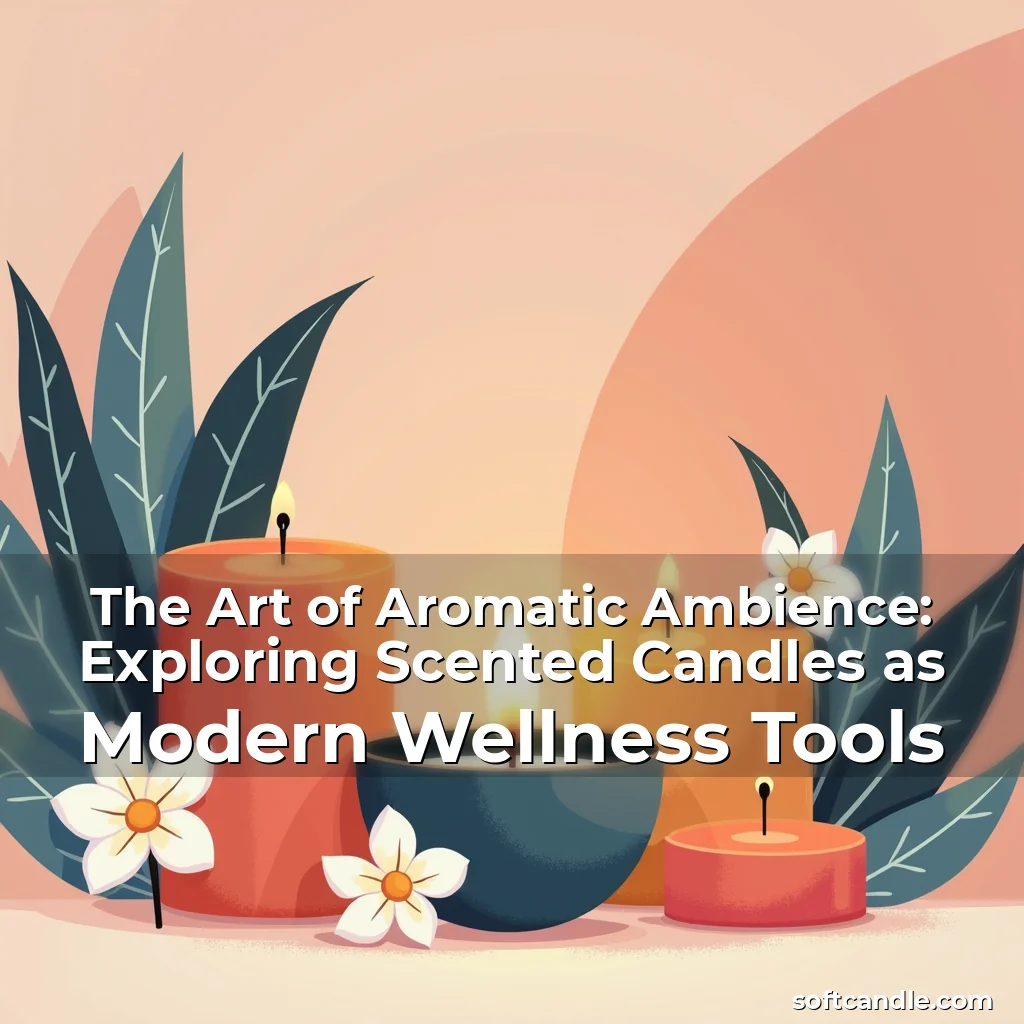
The Art of Aromatic Ambience: Exploring Scented Candles as Modern Wellness Tools
In an age where mindfulness is increasingly prioritized, scented candles have evolved from simple home décor items into essential tools for creating personalized wellness environments. With their ability to transform any space through scent, they offer a sensory experience that goes beyond mere illumination.
This exploration delves into the intricate world of aromatic ambience, examining how modern candle-making techniques combine traditional craftsmanship with scientific innovation to deliver therapeutic benefits that cater to contemporary lifestyles.
The Science Behind Scent Perception
Scent perception begins when odor molecules interact with olfactory receptors located in the nasal cavity. This complex process triggers neural pathways that connect directly to brain regions responsible for emotion and memory formation.
The limbic system’s involvement explains why certain fragrances can evoke vivid recollections or emotional responses within seconds of inhalation. For instance, lavender often conjures images of relaxation while citrus notes may instantly energize the mind.
- Olfactory receptors: Approximately 400 different types detect various volatile compounds released by burning wicks
- Sensory integration: The trigeminal nerve also responds to temperature changes during candle combustion, enhancing overall sensory experience
Scientific studies suggest that specific fragrance combinations can influence physiological states such as heart rate variability and cortisol levels, making them powerful non-pharmacological interventions for stress management.
Candle manufacturers now employ advanced chromatography techniques to precisely measure aroma diffusion rates, ensuring optimal fragrance longevity without overpowering users’ senses.
Eco-Conscious Candle Making Practices
Modern consumers demand sustainable alternatives without compromising quality, leading to innovations in eco-friendly wax formulations and natural dye sourcing methods.
Beeswax blends with soy provide excellent burn times while maintaining biodegradability credentials. These hybrid materials reduce environmental impact compared to paraffin-based counterparts.
Making ethical choices doesn’t mean sacrificing aesthetic appeal; artisanal producers use plant-derived pigments extracted through cold pressing techniques to preserve color vibrancy naturally.
Many companies now implement carbon-neutral shipping programs and recyclable packaging solutions as part of their commitment to reducing ecological footprints.
Sustainability Metrics in Production
A recent industry report indicates that 68% of environmentally conscious candle buyers prioritize brands utilizing renewable energy sources in manufacturing facilities.
Data analysis reveals that properly maintained soy-beeswax candles can achieve up to 90% longer burn duration than conventional petroleum-based products.
Carbon footprint calculations show that switching from paraffin to coconut-based waxes reduces greenhouse gas emissions by approximately 32% over product lifecycle assessments.
These metrics highlight the tangible benefits of adopting greener production methodologies across various aspects of candle creation.
Therapeutic Applications Beyond Relaxation
While calming scents remain popular, emerging research highlights other therapeutic potentials of aromatherapy-infused candles.
Peppermint and eucalyptus combinations demonstrate effectiveness in alleviating symptoms associated with seasonal allergies and respiratory congestion.
Citrus-based candles containing bergamot oil have shown promise in improving mood regulation among individuals experiencing mild depressive episodes.
Different fragrance profiles target specific needs: floral blends aid sleep patterns whereas woody essences enhance cognitive performance during work sessions.
Medical professionals are beginning to recommend scented candles as complementary therapies alongside conventional treatments for anxiety disorders.
Customization Trends in Contemporary Candle Design
Personalization has become a defining characteristic of today’s candle market, driven by consumer desire for uniquely tailored experiences.
Artisan workshops offer bespoke services allowing clients to blend custom fragrance oils at precise concentrations according to individual preferences.
Technological advancements enable digital scent profiling systems that analyze user behavior data to suggest ideal aroma combinations based on lifestyle factors.
DIY kits empower enthusiasts to create signature blends using measured components like essential oils, botanical extracts, and natural dyes.
Some luxury brands incorporate wearable technology elements, integrating LED lighting effects controlled via smartphone apps for immersive sensory experiences.
The Role of Fragrance Blending Techniques
Expert perfumers apply sophisticated layering strategies to develop complex scent compositions that evolve during candle burn cycles.
Top notes like lemon and grapefruit evaporate quickly, revealing middle notes such as jasmine and geranium before base notes like sandalwood emerge gradually.
This chronological unfolding creates dynamic olfactory journeys rather than static fragrance presentations typically found in commercial air fresheners.
Master blenders conduct rigorous testing phases involving thousands of trials to perfect balance between projection strength and longevity characteristics.
Special attention is given to volatility thresholds ensuring each component contributes meaningfully without overwhelming the final composition.
Choosing Quality Over Quantity
Consumers must learn to identify authentic high-quality candles that deliver consistent performance and safety standards.
Reputable manufacturers disclose full ingredient lists including type of wax used, fragrance load percentages, and cotton wick specifications.
High-grade candles maintain even melt pools across entire surfaces preventing tunneling issues common in lower-quality products.
Properly formulated candles feature tightly packed fragrance crystals that release consistently over extended burn periods.
Always check for certifications indicating compliance with flammability regulations and indoor air quality guidelines.
Rising Popularity Among Urban Professionals
Urban dwellers seeking respite from city life find solace in curated candle collections designed specifically for modern living spaces.
Compact travel-sized options allow busy professionals to recreate comforting environments anywhere from office meetings to airplane cabins.
Smartphone app integrations let users control ambient lighting intensity and customize fragrance sequences according to daily routines.
Subscription models offering rotating monthly selections ensure continuous discovery of new aromatic experiences.
Bespoke corporate gifting packages include engraved holders and matching note cards for professional networking events.
Cultural Significance Across Time Periods
Historically, candles served dual purposes as light sources and carriers of sacred incense in ancient civilizations ranging from Egypt to China.
Medieval European monasteries developed elaborate rituals around beeswax candles infused with medicinal herbs for both spiritual purification and physical healing.
Japanese kōdō traditions emphasize mindful appreciation of fragrance through carefully selected sandalwood and incense sticks burned in specially designed censers.
These cultural legacies continue influencing modern interpretations that respect historical significance while adapting to current wellness trends.
Contemporary artists draw inspiration from ancestral practices to create fusion pieces blending tradition with cutting-edge design aesthetics.
Future Innovations in Aromatherapy Technology
Advancements in nanotechnology promise breakthroughs in targeted delivery systems for scent molecules during candle combustion.
Researchers experiment with microencapsulation techniques to control fragrance dispersion rates with unprecedented precision.
Predictive algorithms analyze atmospheric conditions to adjust scent intensities dynamically in real-time applications.
Bioluminescent organisms integrated into candle structures could revolutionize night-time ambiance possibilities.
As these developments unfold, expect to see more interactive installations combining multi-sensory experiences with artificial intelligence capabilities.
Conclusion
Scented candles represent a convergence of artistry, science, and personal expression that continues evolving with societal demands and technological progress.
To fully appreciate this multifaceted medium, consider exploring local artisans who push creative boundaries while respecting environmental responsibilities inherent in every flame.