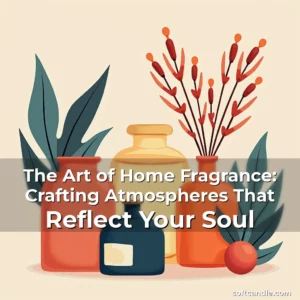
The Art of Home Fragrance: Crafting Scents That Define Your Living Space
In today’s fast-paced world, creating a welcoming atmosphere at home has become more than a luxury—it’s a necessity. The power of scent can transform any space from mundane to magical, making it essential to understand how to curate your own personal olfactory environment.
Fragrances have long been intertwined with our emotional well-being and memory formation. By mastering the art of home fragrance, we unlock the ability to craft spaces that not only look inviting but also smell comforting and inspiring.
Understanding the Science Behind Scent Perception
Scent perception is deeply rooted in human biology. Our sense of smell connects directly to the limbic system—the brain region responsible for emotions and memories—making fragrances uniquely powerful tools for influencing mood and behavior.
This neurological connection explains why certain scents evoke vivid recollections while others
Fragrances have long been intertwined with our emotional well-being and memory formation. By mastering the art of home fragrance, we unlock the ability to craft spaces that not only look inviting but also smell comforting and inspiring.
Understanding the Science Behind Scent Perception
Scent perception is deeply rooted in human biology. Our sense of smell connects directly to the limbic system—the brain region responsible for emotions and memories—making fragrances uniquely powerful tools for influencing mood and behavior.
This neurological connection explains why certain scents evoke vivid recollections while others create immediate feelings of calmness or invigoration. When choosing home fragrances, understanding these physiological responses allows us to make intentional choices that enhance daily life experiences.
- Olfactory receptors: Humans possess over 400 types of odorant receptors capable of detecting millions of different smells through complex molecular interactions.
- Memory associations: Studies show that up to 65% of consumers recall a product better when linked with a specific fragrance, highlighting its role in brand recognition and emotional resonance.
By leveraging this knowledge, homeowners can strategically use fragrances to influence their living environments. Whether aiming to promote relaxation during evenings or boost productivity in workspaces, mindful selection leads to meaningful results.
Choosing the Right Fragrances for Different Rooms
Each room serves a distinct purpose within a home, requiring tailored fragrance solutions that align with both function and ambiance. Kitchen areas benefit from fresh, stimulating scents that encourage culinary creativity.
Bathrooms often call for calming aromas that support self-care routines. Lavender, eucalyptus, and citrus blends are particularly effective in promoting mental clarity after showers or bath sessions.
Living Room Considerations
Living rooms typically serve dual roles as social hubs and entertainment centers. Opting for warm woody notes such as sandalwood or cedar creates an inviting yet sophisticated atmosphere ideal for gatherings.
For those who enjoy hosting guests regularly, incorporating subtle floral undertones adds elegance without overwhelming visitors. These combinations ensure comfort while maintaining aesthetic balance.
Creative Applications Beyond Traditional Diffusers
Home fragrance extends far beyond conventional diffusers and candles. Innovative products allow individuals to personalize their environments through various methods including reed diffusers, essential oil burners, and even custom-scented textiles.
Reed diffuser systems offer continuous ambient aroma by soaking porous rattan rods in concentrated oils. This method provides longer-lasting effects compared to traditional candle burning techniques.
Essential oil burners utilize heat sources to disperse natural plant extracts safely indoors. They provide pure aromatic benefits without synthetic additives commonly found in commercial products.
- Diffusion timeframes: Reed diffusers generally last between three weeks to two months depending on concentration levels used.
- Air quality impact: Natural diffusion methods contribute positively to indoor air quality by avoiding harsh chemical emissions associated with some artificial scents.
Textile treatments apply fragrances directly onto fabrics using microencapsulation technology. This innovation enables garments and upholstery items to release pleasant odors gradually over extended periods.
Seasonal Fragrance Transitions: Adapting Aromas Throughout the Year
As seasons change so too do preferences regarding preferred scents. Spring brings renewed energy calling for bright floral arrangements while autumn invites cozy spice-infused blends that embrace warmth.
Transitioning smoothly between seasonal themes maintains harmony within residential interiors. Thoughtful planning ensures continuity rather than abrupt shifts which might disrupt established atmospheres.
Summer months demand light citrus or aquatic-inspired fragrances that reflect openness and freshness typical of warmer climates. Winter requires deeper woods combined with sweet vanilla tones evoking holiday cheer and comfort.
The Role of Candle Types in Creating Ambiance
Traditional pillar candles remain popular due to their versatility and visual appeal. Their steady flame produces gentle illumination alongside soothing fragrances suitable for evening relaxation.
Votive candles excel in smaller decorative settings where minimal lighting suffices but elegant presentation matters greatly. They’re perfect additions around tabletops or mantles enhancing overall decor aesthetics.
Taper candles add vertical interest along with subtle glow patterns cast upon walls. Their elongated shape complements tall vases or candlesticks creating focal points within larger rooms.
- Fuel type considerations: Soy-based wicks tend to burn slower offering longer enjoyment periods before needing replacement.
- Color coordination: Matching candle hues with existing color palettes enhances interior design cohesiveness ensuring every element contributes positively towards desired moods.
Tea lights provide convenient portability allowing easy rearrangement of fragranced elements across different zones within homes. Their compact size makes them ideal for temporary installations wherever additional ambience is needed quickly.
Maintaining Longevity and Quality in Home Fragrance Products
Prolonging the lifespan of home fragrance items involves careful handling and storage practices that preserve potency over time. Keeping products away from direct sunlight prevents degradation caused by UV exposure.
Regular cleaning of application devices like diffusers helps maintain optimal performance standards. Accumulated residue may reduce effectiveness leading to diminished sensory impact sooner than expected.
Proper ventilation plays a crucial role especially concerning wax-based offerings. Allowing adequate airflow reduces risk of excessive smoke buildup improving safety aspects significantly.
- Replacement schedules: Monitoring usage frequency assists in determining appropriate refill intervals preventing complete depletion mid-cycle.
- Temperature control: Storing containers below recommended temperatures slows oxidation processes preserving original characteristics indefinitely.
Investing in high-quality materials guarantees superior longevity and consistent performance expectations regardless of environmental conditions faced during regular use cycles.
Eco-Friendly Approaches to Sustainable Scent Solutions
Increasing awareness surrounding ecological responsibility encourages exploration into greener alternatives within home fragrance industry sectors. Biodegradable options now available provide viable substitutes reducing negative impacts upon ecosystems.
Natural ingredients sourced sustainably minimize carbon footprint contributions made throughout production phases contributing toward global sustainability goals effectively.
Reusable components facilitate ongoing enjoyment without generating unnecessary waste accumulation rates observed previously among single-use consumables market segments.
- Carbon neutrality initiatives: Some manufacturers commit fully towards achieving net-zero emissions targets through offset programs compensating residual environmental costs incurred via operations.
- Refillable packaging designs: Reusable glass vessels enable repeated filling minimizing plastic consumption associated with conventional disposable containers widely prevalent currently.
Selecting certified organic sources assures purity levels exceeding standard regulatory requirements ensuring consumer health protections remain uncompromised throughout entire lifecycle stages involved.
Customization Options for Personalized Fragrance Experiences
Modern advancements permit customization possibilities enabling users to tailor scented profiles precisely according to individual tastes and needs. Blending base notes with complementary accords facilitates creation of bespoke compositions reflecting unique identities.
Professional consultation services assist novices navigating complexities inherent within fragrance formulation disciplines ensuring successful outcomes aligned perfectly with intended purposes behind each choice made.
DIY kits simplify experimentation encouraging creative engagement through hands-on participation fostering deeper appreciation developed progressively overtime.
- Layering technique applications: Combining multiple essences judiciously generates multidimensional effects enriching spatial dynamics experienced consistently across varied contexts encountered routinely.
- Personal preference tracking: Maintaining records documenting reactions elicited from tested variations aids future decision-making regarding selections likely producing most favorable responses anticipated ahead-of-time.
These innovations empower residents transforming passive occupants merely enjoying surroundings into active participants shaping atmospheric qualities defining character traits embodied collectively within shared living environments constructed collaboratively amongst household members engaged meaningfully together regularly.
Conclusion
Mastering the art of home fragrance unlocks profound potential to elevate everyday living experiences dramatically altering perceptions formed regarding ordinary domestic spaces transformed entirely through strategic implementation guided carefully executed plans devised thoughtfully beforehand.
Embracing diverse approaches ranging from scientific principles governing scent interpretation right down to eco-conscious methodologies promotes holistic development encompassing wellness benefits derived simultaneously alongside aesthetic enhancements achieved concurrently without compromising either aspect detrimentally affected negatively whatsoever.