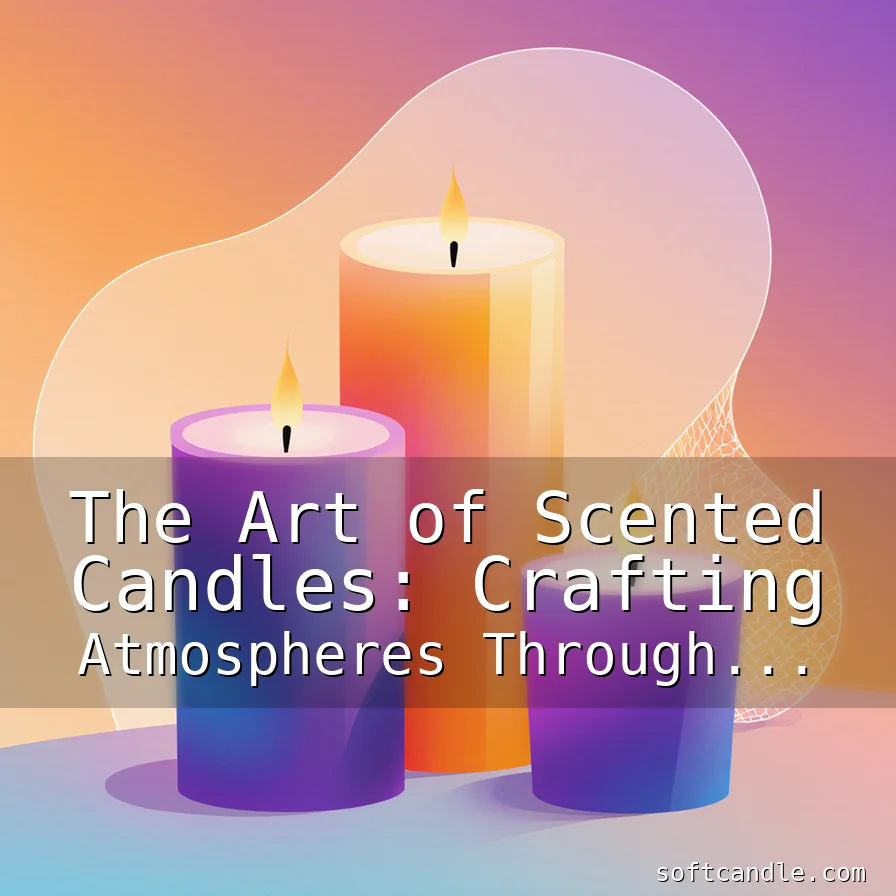
The Art of Scented Candles: Crafting Atmospheres Through Aromatherapy and Design
In an age where sensory experiences are increasingly valued, scented candles have emerged as powerful tools for creating ambiance, enhancing well-being, and expressing personal style. From the gentle flicker of beeswax to the bold diffusion of soy blends, each candle tells a story through its fragrance and form.
This exploration delves into the world of scented candles beyond their simple function, uncovering how they influence mood, elevate interior design, and serve as thoughtful gifts that speak volumes without words.
The Science Behind Scent and Emotion
Scent is uniquely tied to memory and emotion due to direct connections between the olfactory system and brain regions responsible for emotional processing. This phenomenon explains why certain fragrances can instantly transport us back to cherished moments from our past.
Research has shown that specific aromas activate different parts of the brain, influencing everything from stress levels to cognitive performance. Lavender, for example, stimulates areas associated with relaxation while citrus notes often enhance alertness and concentration.
- Olfactory bulb: The first stop for scent molecules before they reach higher brain centers
- Hippocampus: Where scent memories become emotionally charged associations
- Amygdala: Processes emotions triggered by particular smells
When selecting scented candles, understanding these neurological responses allows for intentional use of fragrance to create desired effects in any space.
Certain combinations work particularly well together, such as pairing floral notes with woodsy undertones to create balanced environments that promote both calm and clarity.
Eco-Conscious Candle Making Practices
As environmental awareness grows, many consumers now seek out candles made with sustainable ingredients and ethical production methods. This shift reflects a broader cultural movement towards conscious consumerism in daily life choices.
Ethical candle makers prioritize using natural waxes like soy or beeswax over paraffin, which can release harmful toxins when burned. These plant-based alternatives burn cleaner and longer, reducing overall waste and carbon footprint.
The Environmental Impact of Traditional Waxes
Paraffin wax, derived from petroleum, releases volatile organic compounds (VOCs) when melted. Studies show these emissions contribute to indoor air pollution at rates comparable to cigarette smoke.
Conversely, soy candles produce significantly lower VOC emissions and biodegrade naturally after use. Beeswax candles also offer eco-friendly benefits through their renewable source material and inherent antibacterial properties.
Making mindful purchasing decisions supports companies committed to minimizing ecological harm across every stage of candle production, from sourcing raw materials to packaging processes.
Some brands go further by using recycled glass containers or incorporating post-consumer paper elements in their packaging designs, reinforcing sustainability commitments through tangible actions.
Fragrance Blending Techniques for Custom Scents
Creating custom candle scents requires careful consideration of fragrance oils’ volatility and compatibility with different wax types. Professional perfumers understand that some essential oil combinations may interact unpredictably during the pouring process.
Beginners might start with pre-blended fragrance sticks designed specifically for candle making, ensuring consistent results without needing advanced chemistry knowledge. These ready-made options simplify experimentation with new aroma profiles.
The strength of scent projection varies greatly depending on several factors including room size, ventilation patterns, and ambient temperature conditions. Testing small batches helps determine optimal fragrance load ratios before scaling up production.
Layering techniques allow for complex aromatic experiences, such as starting with fresh herbal top notes that evolve into warm spice heart notes as the candle burns down. Skilled artisans carefully time ingredient additions to maintain this progression.
Interior Design Integration with Candles
Scented candles play a crucial role in modern interior design by acting as subtle yet effective decor elements that enhance spatial aesthetics. Their visual appeal complements various styles ranging from minimalist Scandinavian spaces to richly ornamented bohemian rooms.
Choosing candles that match existing color palettes creates cohesive visual harmony within living areas. Metallic finishes add contemporary flair while earthy tones blend seamlessly with nature-inspired décors.
Varying candle sizes strategically introduces dynamic height contrasts among decorative objects placed around a room’s focal points. Groupings of differently sized pieces add depth and dimensionality to tabletop arrangements.
For maximal impact, consider positioning candles near windows where natural light interacts with their forms throughout changing daylight hours. This interaction transforms static displays into evolving art installations.
Gifting Strategies for Personalized Experiences
Selecting meaningful gift candles involves considering both recipient preferences and symbolic significance behind chosen fragrances. Thoughtful selections reflect deeper understanding of what brings joy or comfort to loved ones.
Customization options extend beyond basic scents to include engraved messages, special packaging treatments, or even personalized labels indicating bespoke fragrance compositions tailored to individual tastes.
Seasonal themes provide excellent framing devices for gifting scenarios, allowing for timely presents that align with holidays, birthdays, or other celebratory occasions throughout the year.
Premium gift sets featuring curated collections of complementary scents make ideal present choices for those who appreciate experiential giving rather than conventional retail items.
Health Considerations When Using Sensitive Individuals
People with respiratory sensitivities require special attention when choosing scented products. Even seemingly benign fragrances can trigger allergic reactions in vulnerable populations.
Natural alternative approaches emphasize using unscented candles alongside diffused essential oils via separate delivery systems. This method allows precise control over aromatic exposure levels without compromising safety standards.
Burning times should be monitored closely for individuals prone to asthma attacks or other pulmonary complications related to airborne irritants. Shorter burn durations reduce potential risk factors effectively.
Consultation with healthcare professionals ensures appropriate precautions are taken when integrating scented candles into home environments inhabited by medically sensitive residents.
Preserving Candle Quality Over Time
Proper storage practices significantly affect longevity and performance characteristics of scented candles. Exposure to extreme temperatures degrades wax consistency and compromises fragrance integrity.
Keeping candles away from direct sunlight prevents fading discoloration that alters appearance and potentially affects scent dispersion capabilities. Consistent humidity levels also help maintain structural stability.
Regular maintenance routines such as trimming wicks before each use ensure safe burning cycles while optimizing scent throw effectiveness throughout entire product lifespan.
Reusing empty containers creatively extends value proposition beyond initial consumption period, transforming discarded vessels into functional keepsakes or repurposed household items.
Exploring Cultural Significance Across Traditions
Different cultures have developed distinct relationships with candles throughout history, imbuing them with spiritual meaning and practical functions that continue shaping contemporary usage patterns worldwide.
In religious ceremonies spanning Christianity, Buddhism, Hinduism, and Judaism, candles symbolize prayer, enlightenment, and divine presence. These traditions maintain active rituals involving lit candles even today.
Eastern philosophies incorporate candle symbolism into meditation practices, emphasizing mindfulness through controlled breathing exercises conducted beside softly glowing flames.
Modern reinterpretations merge ancient customs with current wellness trends, resulting in innovative applications that honor traditional roots while embracing progressive lifestyles.
Conclusion
Scented candles transcend mere decoration to become multifaceted tools impacting mental health, aesthetic expression, and social interactions simultaneously. Their versatility makes them indispensable components of everyday living spaces.
Whether used for self-care routines, creative projects, or shared experiences with others, intentionally selected candles enrich quality of life in measurable ways that extend far beyond their physical existence alone.
“`